
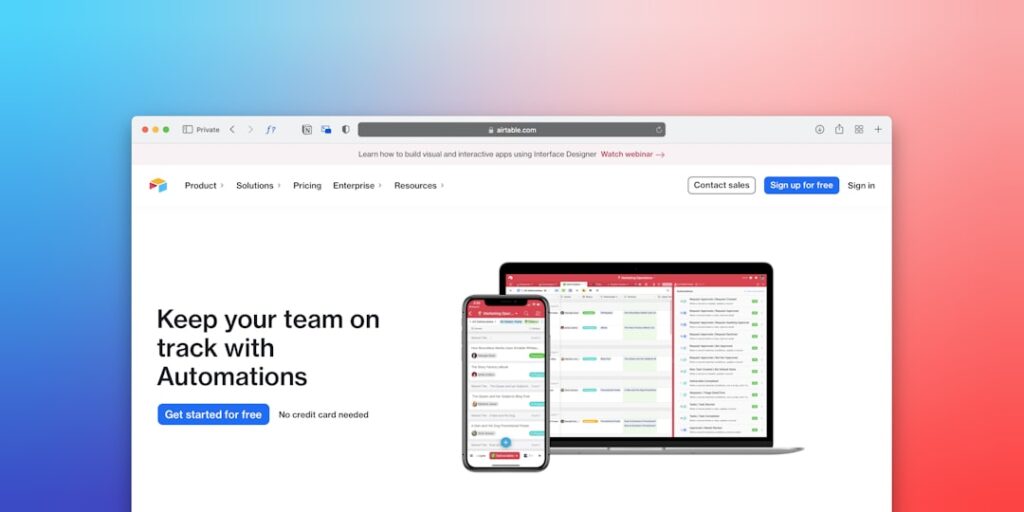
Maximizing AI Productivity with No-Code Automation Tools
In today’s fast-paced digital world, leveraging AI productivity through No-Code Automation Tools is essential for individuals and businesses alike. These tools empower users by allowing them to automate tasks efficiently without needing extensive programming knowledge.
Why it matters
No-Code Automation Tools are transforming how we approach productivity by enabling quick deployments of automated workflows. They reduce the reliance on technical teams, cut down on operational costs, and allow users to focus on their core responsibilities. Understanding their significance is vital for any organization aiming to optimize processes and improve outcomes.
Core Concepts
Understanding No-Code Automation
- Definition: Tools that allow users to create automated workflows without coding.
- Benefits: Increased efficiency, faster implementation, and reduced time-to-market.
- Key Features: User-friendly interfaces, integration capabilities, and pre-built templates.
Detailed Step-by-Step Guide
- Identify Repetitive Tasks: Start by mapping out the tasks you perform daily that are time-consuming.
- Choose the Right Tool: Research available no-code automation tools that fit your needs, such as Zapier, Integromat, or Airtable.
- Define Your Workflow: Clearly outline the steps required for the automation process.
- Set Up Triggers: Most no-code tools rely on triggers that initiate a series of actions during workflow execution.
- Test the Automation: Before going live, ensure to test automation flows to catch any potential issues early.
- Monitor Performance: After deployment, regularly check the performance of your automated tasks and adjust them as necessary.
Common Mistakes
When implementing No-Code Automation Tools, individuals often make several mistakes, such as:
- Overcomplicating Workflows: Trying to automate every tiny detail can lead to confusion and inefficiencies.
- Ignoring Integration Limits: Failing to account for the limitations of the tools can lead to frustrating experiences.
- Neglecting Testing: Rushing past testing can cause significant problems up the line.
Real-World Case Study
Consider a small marketing agency that regularly struggled with managing client campaigns and reports. By implementing a No-Code Automation Tool, they were able to automate email updates to clients, schedule social media postings, and streamline reporting. This led to a 40% reduction in time spent on administrative tasks, allowing the team to focus more on strategic activities.
Comparison Table
| Tool | Ease of Use | Integration Options | Cost |
|---|---|---|---|
| Zapier | Very User-Friendly | Over 3000 Apps | Free/$19.99 Month |
| Integromat | Moderate Learning Curve | Over 1000 Apps | Free/$9 Month |
| Airtable | User-Friendly | Over 100 Apps | Free/$10 Month |
FAQ
What are No-Code Automation Tools?
No-Code Automation Tools are platforms that allow users to automate workflows without needing to write code, making it accessible for non-technical users.
How do these tools improve productivity?
By automating repetitive tasks, teams can save time and focus on more important activities, enhancing overall productivity.
Are No-Code Automation Tools expensive?
Many No-Code Automation Tools offer free tiers, while more advanced features are usually available through paid plans, which can vary significantly in price.
Can businesses customize their automation processes?
Yes, most No-Code Automation Tools provide customizable templates and workflows to cater to specific business needs.
Do I need technical skills to use these tools?
No, one of the main advantages of No-Code Automation Tools is that they are designed for users without technical backgrounds.
Conclusion
Embracing No-Code Automation Tools is essential for today’s organizations seeking to enhance AI productivity. By understanding their capabilities and following best practices for implementation, businesses can streamline operations and foster innovation.
Advanced Tips for Maximizing AI Productivity
Integrating No-Code Automation Tools
No-Code Automation Tools have revolutionized the way businesses optimize their workflows. To maximize AI productivity, it’s essential to seamlessly integrate these tools into your existing processes. Start by identifying repetitive tasks that can be automated without deep technical knowledge. Utilizing platforms like Zapier or Integromat, businesses can create custom automation workflows that connect various applications, reducing manual intervention and error rates.
Setting Clear Objectives
For any AI productivity initiative, having clear, measurable objectives is critical. Define specific outcomes you hope to achieve through the implementation of No-Code Automation Tools. This could range from reducing processing time for reports to enhancing customer interactions through automated responses. By establishing these benchmarks, you can effectively monitor progress and make necessary adjustments to strategies as needed.
Expert Opinions on the Future of AI and No-Code Automation
Insights from Industry Leaders
Many industry experts agree that the future of work will be heavily influenced by AI and No-Code Automation Tools. Leaders in technology, such as AI researchers and product managers, emphasize the importance of democratizing access to automation. They suggest that empowering non-technical staff to utilize No-Code solutions can lead to innovative problem-solving and increased efficiencies across various sectors.
Case Studies and Real-World Applications
Numerous organizations have successfully adopted No-Code Automation Tools to enhance their productivity. For instance, a marketing agency utilized a no-code platform to automate their customer segmentation process. This not only saved time but also improved the accuracy of targeting efforts. Such case studies demonstrate the transformative impact of integrating AI and no-code automation, serving as a blueprint for other businesses aiming to increase operational efficiency.
Future Trends in AI Productivity
Enhanced AI Capabilities with No-Code Platforms
The integration of AI technologies with No-Code Automation Tools is expected to advance significantly in the coming years. These platforms are continuously evolving to incorporate machine learning algorithms, which will enable users to create more complex automations that adjust in real-time based on data inputs. This enhancement will allow businesses to harness AI to its full potential without investing in extensive coding resources.
The Role of Community and Resources
Another emerging trend is the growth of community-driven resources around No-Code Automation Tools. Online forums, workshops, and tutorials are proliferating, providing users with invaluable insights and strategies for optimizing their AI productivity efforts. As more individuals share their experiences and expertise, the collective knowledge base will expand, further promoting the effective use of these tools across industries.