
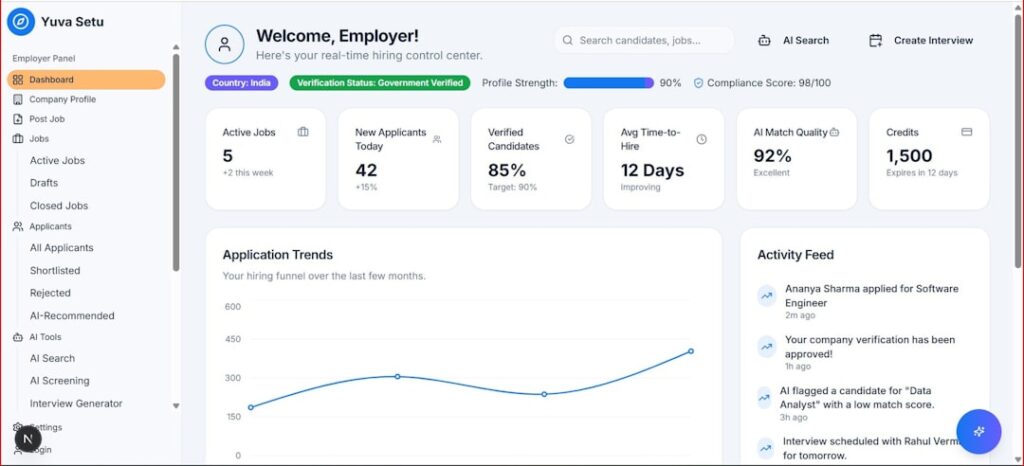
Harnessing AI Time Management Software for Enhanced Productivity
In today’s fast-paced world, AI time management software has become indispensable for individuals and organizations looking to optimize productivity. This innovative technology helps streamline tasks, schedule meetings, and prioritize projects more efficiently, allowing professionals to focus on what truly matters. In this article, we will explore the importance of AI time management tools, key features, practical implementation, common pitfalls to avoid, and real-world examples of their successful application.
Why it matters
Effective time management is essential for maintaining a healthy work-life balance and achieving career goals. AI time management software enhances traditional time management methods by incorporating advanced algorithms and machine learning capabilities. This allows users to maximize productivity, minimize distractions, and focus on priorities.
Core Concepts
Understanding AI Time Management Tools
- Task Automation: These tools automate repetitive tasks, freeing up time for more critical activities.
- Data Analysis: AI software analyzes past performance and helps predict future time allocation.
- Smart Scheduling: Algorithms optimize calendar management and meeting times based on availability and priorities.
- Integration: Seamlessly connects with other productivity tools (e.g., calendars, to-do apps, and communication platforms).
Detailed Step-by-Step Guide
- Identify Your Needs: Assess your current time management challenges and requirements.
- Research Available Tools: Explore various AI time management software options that suit your needs.
- Evaluate Features: Look for key features such as task automation, smart scheduling, and analytics.
- Test the Software: Most tools offer free trials; take advantage of these to test functionality.
- Integrate with Existing Tools: Ensure the AI software works well with your current productivity suite.
- Set Clear Objectives: Define what you hope to achieve with the AI tool in terms of productivity.
- Regularly Review Performance: Use analytics provided by the software to assess your productivity gains and areas that need improvement.
Common Mistakes
When adopting AI time management software, users often make several common mistakes:
- Failing to set clear objectives for implementation.
- Neglecting to provide adequate training for all team members.
- Choosing a tool without considering integration capabilities.
- Ignoring data analysis provided by the tool after initial adoption.
Real-World Case Study
Consider a mid-sized marketing agency struggling with deadlines and inefficient communication among team members. After implementing an AI time management software, the agency automated their task assignments based on team members’ workloads and client deadlines. As a result, they experienced a 30% increase in project delivery speed and a significant reduction in overtime hours. This successful application showcased the power of AI tools in revolutionizing time management processes.
Comparison Table
| Software | Key Features | Price | User Rating |
|---|---|---|---|
| Clockify | Time tracking, reporting, project management | Free/Paid from $9.99/month | 4.8/5 |
| Toggl | Task automation, reporting, smart scheduling | Free/Paid from $10/month | 4.7/5 |
| RescueTime | Productivity tracking, focus sessions | Free/Paid from $12/month | 4.6/5 |
| Todoist | Project management, reminders, integration | Free/Paid from $3/month | 4.5/5 |
FAQ
What is AI time management software?
AI time management software leverages artificial intelligence to streamline and optimize how individuals manage their time, tasks, and appointments.
How can AI tools improve productivity?
These tools automate repetitive tasks, provide analytics on time usage, and help prioritize responsibilities, leading to enhanced focus and productivity.
Are all AI time management tools the same?
No, different tools offer varying features; it’s essential to choose one that aligns with your specific needs and workplace dynamics.
Can I use AI time management software as a team?
Yes, many AI time management tools are designed for team collaboration, facilitating communication and productivity at group levels.
Do I need technical skills to use AI time management software?
Most AI tools are user-friendly and designed for non-technical users, although basic knowledge can enhance your user experience.
Conclusion
AI time management software represents a significant advancement in productivity solutions, providing numerous features that cater to a wide range of professional needs. By understanding the importance of these tools, learning how to implement them effectively, and avoiding common pitfalls, you can maximize your time management strategies. Embracing AI time management software not only helps streamline daily tasks but also empowers individuals and teams to achieve their ultimate productivity goals.
Advanced Tips for Using AI Time Management Software
Integrate with Existing Tools
To maximize the effectiveness of AI time management software, consider integrating it with the tools you already use, such as calendars, project management apps, and communication platforms. This creates a seamless workflow where all your information is interconnected, allowing the AI to provide more accurate insights and suggestions tailored to your specific needs.
Customize AI Recommendations
Most AI time management software comes with customizable features that allow users to set specific goals and preferences. Take advantage of these settings to refine the AI’s suggestions. For instance, if you find that certain types of tasks are more time-consuming for you, input that information to help the AI provide better-tailored advice.
Expert Opinions on AI Time Management Software
Insights from Productivity Experts
Many productivity experts acknowledge the impact of AI time management software on workflow efficiency. For instance, tech entrepreneur and productivity trainer Cal Newport emphasizes the importance of using such tools to eliminate time wastage and streamline processes. According to Newport, “Leveraging AI tools not only enhances productivity but also encourages individuals to focus on high-value activities.” His perspective highlights how integrating AI can transform traditional time management practices.
Case Studies from Various Industries
Numerous organizations have successfully implemented AI time management software to improve operations. For example, a marketing firm adopted a specific AI tool to analyze time spent on client projects, ultimately leading to a 30% increase in billable hours. Such insights illustrate the versatility and effectiveness of AI tools across various sectors, demonstrating their ability to adapt to unique business challenges and drive efficiency.
Future Trends in AI Time Management Software
Predictive Analytics Capabilities
As AI technology advances, future time management software will likely incorporate predictive analytics capabilities. This means the software will not only analyze past behavior and outcomes but also forecast future performance based on patterns. This feature will allow users to preemptively adjust their schedules, ensuring that potential bottlenecks are addressed before they become issues.
AI Personal Assistants Integration
Another emerging trend is the integration of AI personal assistants with time management software. Seamless collaboration between voice-activated assistants and time management applications will enable users to schedule tasks verbally and receive real-time updates while multitasking. This innovative approach will make the use of AI tools even more user-friendly and intuitive, encouraging wider adoption and better time management practices.