
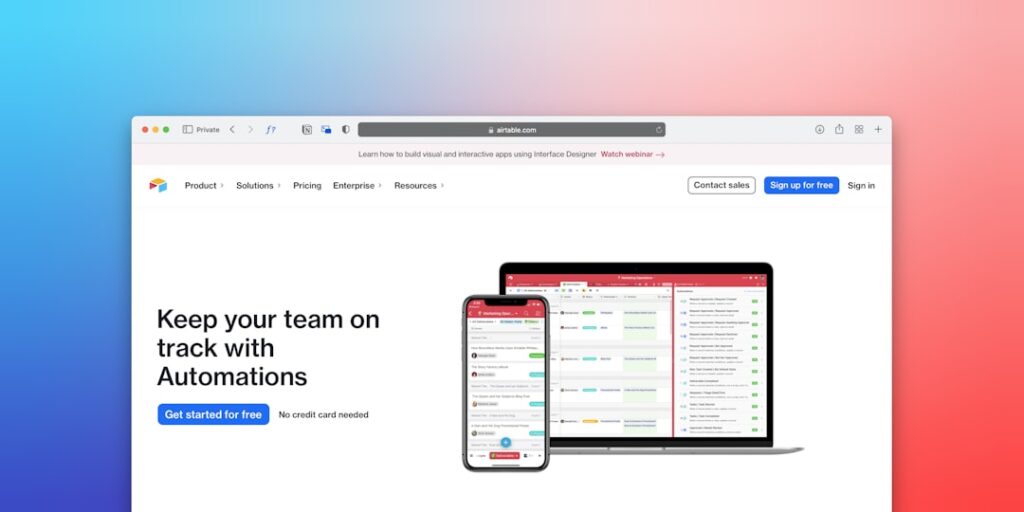
AI Tools for Task Management: Enhancing Productivity with AI Task Automation Tools
In today’s fast-paced world, the need for effective task management is paramount. Enter AI task automation tools, designed to streamline workflows, optimize time management, and enhance overall productivity. By utilizing these tools, organizations and individuals can tackle mundane tasks effortlessly, focusing more on strategic initiatives.
Why it matters
With the increasing complexity of work environments, understanding how AI can simplify task management is critical. These AI task automation tools not only save time but also reduce human error, optimize resource allocation, and improve decision-making processes. As organizations shift towards digital transformation, the implementation of such tools becomes essential for maintaining competitiveness.
Core Concepts
What are AI Task Automation Tools?
AI task automation tools are software solutions equipped with artificial intelligence capabilities, enabling them to perform repetitive tasks without human intervention. Key features include:
- Intelligent Scheduling: Automatically prioritize tasks based on deadlines and importance.
- Workflow Automation: Streamlines processes across different tasks and departments.
- Data Analysis: Provides insights into task efficiency and completion rates.
- Real-time Collaboration: Enhances communication among team members via integrated platforms.
Benefits of AI Task Automation Tools
- Increased efficiency and productivity.
- Reduced operational costs.
- Enhanced accuracy and consistency.
- Improved employee satisfaction by removing tedious tasks.
Detailed Step-by-Step Guide
- Identify Repetitive Tasks: Review your daily operations to determine which tasks can be automated.
- Evaluate Needs: Assess how an AI tool can cater to the specific requirements of your workflows.
- Select the Right Tool: Research and choose an AI task automation tool that aligns with your business objectives.
- Integrate the Tool: Implement the solution into your existing systems for seamless operation.
- Train Your Team: Educate employees about the tool’s functionality and benefits.
- Monitor Performance: Regularly review the tool’s impact on productivity and make necessary tweaks.
- Gather Feedback: Collect user experiences to identify areas for improvement or further automation.
Common Mistakes
While adopting AI task automation tools can revolutionize task management, certain pitfalls must be avoided:
- Neglecting User Training: Failing to train staff can lead to underutilization of the tool.
- Inadequate Evaluation: Not thoroughly assessing the needs of your business before tool selection.
- Over-automating: Automating every conceivable task can hinder creativity and flexibility.
- Ignoring Data Security: Overlooking security measures can expose sensitive data to risks.
Real-World Case Study
A midsize marketing firm struggled with task overload, leading to missed deadlines and diminishing quality of work. They implemented an AI task automation tool designed for creative industries. The tool automated client feedback processes, streamlined campaign tracking, and generated performance reports. As a result, the firm not only increased its project turnaround time by 30% but also noticed a marked improvement in team morale as employees engaged more in high-value creative work.
Comparison Table
| Tool Name | Key Features | Pricing | User Ratings |
|---|---|---|---|
| Tool A | Task scheduling, collaboration, analytics | $10/user/month | 4.5/5 |
| Tool B | Workflow automation, cloud storage | $15/user/month | 4.7/5 |
| Tool C | Data Insights, reporting | $12/user/month | 4.3/5 |
FAQ
What are AI task automation tools used for?
AI task automation tools are primarily used to automate repetitive tasks, streamline workflows, and analyze performance metrics within organizations.
Can AI task automation tools replace human workers?
No, these tools are intended to assist human workers by automating tedious tasks, allowing them to focus on more strategic and creative responsibilities.
How do I choose the right AI task automation tool?
Consider your business needs, budget, and the specific features that the tool offers before making a selection.
Are AI task automation tools secure?
Security varies by tool. It is essential to assess the security measures implemented by the tool provider to safeguard your data.
Can small businesses benefit from AI task automation tools?
Absolutely! Small businesses can enhance their productivity and efficiency significantly by adopting these tools.
Conclusion
AI task automation tools are transforming the way tasks are managed in the modern workspace. By leveraging these intelligent systems, businesses can enhance productivity, minimize errors, and optimize operations. Understanding the intricacies of these tools allows organizations to make informed decisions and successfully integrate them into their daily operations for maximum impact.
Advanced Tips for Using AI Task Automation Tools
Integrating AI Tools with Existing Workflow
To maximize the benefits of AI task automation tools, it’s crucial to integrate them seamlessly with your existing workflows. Begin by identifying key areas where automation can handle repetitive tasks without impacting productivity. Use API integrations that allow these AI tools to communicate with your current project management software, ensuring a smooth exchange of data. This reduces manual input and enhances team collaboration. Regularly evaluate the integration and make necessary adjustments to align with evolving project requirements.
Customizing Tools to Fit Specific Needs
Many AI task automation tools offer customizable features that can cater to specific organizational needs. Take the time to explore different settings and options available within the software to tailor it to your team’s workflow. Whether it involves custom workflows, notifications, or AI-driven insights, aligning these features with your business processes can boost efficiency. This customization also facilitates better user adoption as team members see these tools working specifically for their daily tasks.
Expert Opinions on AI Task Automation Tools
Insights from Industry Leaders
Industry experts emphasize that the strategic implementation of AI task automation tools can significantly enhance productivity. They suggest that organizations should focus on change management when introducing new tools. According to productivity consultant Jane Doe, “The key to successful automation is not just the technology itself but how well teams adapt to and embrace these changes.” Continuous training and support for team members are essential to harness the full potential of these tools.
Case Studies of Successful Implementation
Numerous companies have successfully implemented AI task automation tools, leading to remarkable improvements in efficiency. For instance, a mid-sized marketing agency integrated AI-driven project management software that automated client reporting and task assignments. This change reduced the time spent on administrative tasks by 40%, allowing the team to focus on creative strategy and client engagement. Such examples reinforce the transformative impact that AI tools can have when adopted thoughtfully.
Future Trends in AI Task Automation Tools
Emerging Technologies Shaping the Landscape
The future of AI task automation tools is bright, with emerging technologies such as advanced natural language processing and machine learning algorithms. These technologies will enable tools to understand complex tasks better and provide more personalized automation suggestions. AI systems will increasingly learn from user behavior, predicting needs, and automating tasks even before they are requested.
Growing Integration with Other Business Functions
As AI capabilities evolve, its integration into various business functions will grow. Expect to see AI task automation tools not just in project management but also in areas like customer relationship management (CRM) and human resources. This holistic integration will create a unified ecosystem where tasks across departments are streamlined, driving organizational efficiency and enhancing collaboration among teams.