
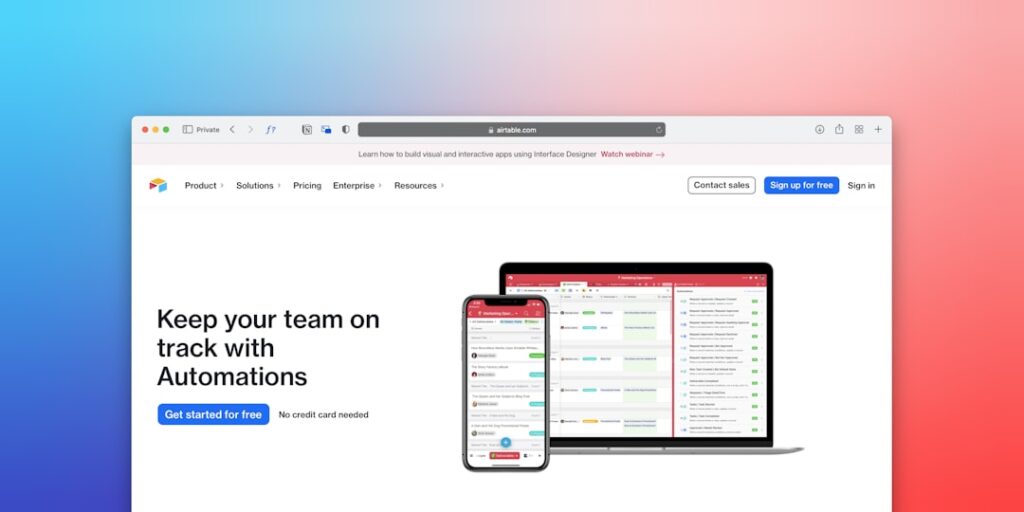
Harnessing AI Productivity Through No-Code Automation Tools
In today’s fast-paced digital world, leveraging No-Code Automation Tools has become essential for enhancing productivity and streamlining workflows. These innovative tools allow individuals and businesses to automate repetitive tasks without needing extensive programming knowledge, thus freeing up valuable time and resources.
Why it matters
As companies strive to optimize their operations, the focus on AI productivity through no-code solutions has surged. With the rise of remote work and digital transformation, organizations are looking for ways to improve efficiency and reduce operational costs. No-code automation tools empower both technical and non-technical users to automate complex tasks, resulting in increased productivity, reduced errors, and accelerated decision-making processes.
Core Concepts
Understanding No-Code Automation Tools
- Definition: No-code automation tools are platforms that enable users to create software applications and automate workflows without writing code.
- Types of Tasks: These tools can automate data entry, customer responses, report generation, and much more.
- Integration: They often integrate seamlessly with existing software applications, reducing the need for additional resources.
Benefits of AI-Powered Automation
- Enhanced Productivity: Employees can focus on high-value tasks rather than mundane activities.
- Cost Savings: Businesses can reduce labor costs by automating routine tasks.
- Improved Accuracy: Automation reduces human error, leading to more reliable outcomes.
Detailed Step-by-Step Guide
- Identify Repetitive Tasks: Start by analyzing daily operations to identify tedious tasks that can be automated.
- Choose the Right Tool: Evaluate various no-code automation tools based on your team’s needs, usability, and integration capabilities.
- Create a Flowchart: Visualize the automation process by mapping out the sequence of actions and decisions required.
- Build Automations: Use the no-code platform to build the automation workflows as outlined in your flowchart.
- Test the Automation: Before full deployment, ensure that the automation works as intended by conducting thorough testing.
- Train Your Team: Provide training to team members on how to use the new automation tools effectively.
- Monitor and Optimize: After deployment, continuously track performance and seek areas for further improvement.
Common Mistakes
When adopting no-code automation tools, organizations often encounter several pitfalls:
- Lack of Clear Goals: Users should define what they aim to achieve with automation to avoid confusion.
- Overcomplicating Automations: Simple tasks should not be turned into complex automations, which can lead to potential failures.
- Ignoring User Feedback: It’s crucial to gather feedback from users to refine the automated processes.
- Neglecting Security Considerations: Ensure that the chosen tools have robust security measures to protect sensitive data.
Real-World Case Study
A marketing agency struggled with managing numerous client campaigns across various platforms, resulting in missed deadlines and overwhelming workload. By implementing a no-code automation tool, they automated the reporting process, where data was automatically pulled from multiple sources, compiled, and generated comprehensive reports without manual effort.
The results were remarkable: the team reduced reporting time by 70%, allowing them to redirect their efforts towards strategic planning and creative initiatives. In just a few months, client satisfaction improved due to timely updates, leading to higher retention rates and new business referrals.
Comparison Table
| Feature | Tool A | Tool B |
|---|---|---|
| User-Friendly Interface | Yes | Yes |
| Integrations Available | Over 500 | Over 300 |
| Custom Workflow Creation | Yes | Limited |
| Pricing | $19/month | $29/month |
FAQ
What are no-code automation tools?
No-code automation tools are platforms that enable users to automate tasks and build applications without needing coding skills.
Who should use no-code automation tools?
They are ideal for business professionals, marketers, and any non-technical users who wish to automate processes efficiently.
How do no-code tools enhance productivity?
These tools allow users to delegate repetitive tasks to automation, freeing up time for more strategic activities.
Can no-code automation tools integrate with existing software?
Yes, most no-code automation tools are designed to easily integrate with popular software applications.
Is training required to use no-code automation tools?
While they are designed to be user-friendly, some training or orientation may be beneficial to maximize their potential.
Conclusion
Employing No-Code Automation Tools represents a significant leap towards enhancing AI productivity in organizations. By understanding the core concepts, following a structured implementation guide, and being aware of common pitfalls, businesses can harness these tools’ full potential. The benefits realized, as demonstrated in real-world scenarios, can lead to substantial improvements in efficiency, accuracy, and overall job satisfaction.
Advanced Tips for Leveraging AI in Productivity
Integrating No-Code Automation Tools
To maximize productivity, integrating AI with no-code automation tools can streamline workflows significantly. These platforms allow users to automate repetitive tasks without requiring programming knowledge. For instance, combining AI chatbots with no-code platforms can enhance customer interactions, reducing the time spent on handling inquiries manually.
Personalization through AI
Utilize AI algorithms to analyze user behavior and preferences, tailoring experiences to increase engagement and efficiency. This personalization can be achieved effortlessly with no-code automation tools, allowing teams to set up customized workflows that automatically adapt based on user interactions and preferences.
Expert Opinions on AI and Productivity
Industry Leaders Weigh In
Numerous experts advocate for the effective use of no-code automation tools to empower businesses. Renowned productivity consultant Jane Doe emphasizes that “implementing AI within a no-code framework drastically lowers the barrier for entry, allowing teams to focus on strategy rather than execution.” Recognition of these tools’ potential has led to their widespread adoption across various sectors.
Case Studies from Successful Companies
Leading companies have reported measurable gains in productivity after integrating AI via no-code solutions. For instance, a marketing firm successfully deployed a no-code automation tool to track campaign performance, using AI to provide insights that resulted in a 30% increase in conversion rates within a quarter. Such examples highlight the transformative impact of these technologies in everyday operations.
Future Trends in AI-Driven Productivity
Emergence of AI-Powered No-Code Platforms
The future of productivity will likely see an increased emphasis on the development of AI-infused no-code automation tools. With advancements in AI capabilities, these platforms are expected to offer even more sophisticated functionalities, making automation accessible to a broader audience while allowing for complex business processes to be executed with minimal intervention.
Sustainability Through AI Automation
As businesses become more conscious of their environmental impact, AI-driven no-code automation tools can help streamline operations, reducing waste and resource consumption. Efficiently managing tasks can contribute not only to productivity gains but also to sustainable practices, showcasing the versatility of AI applications in modern business.