
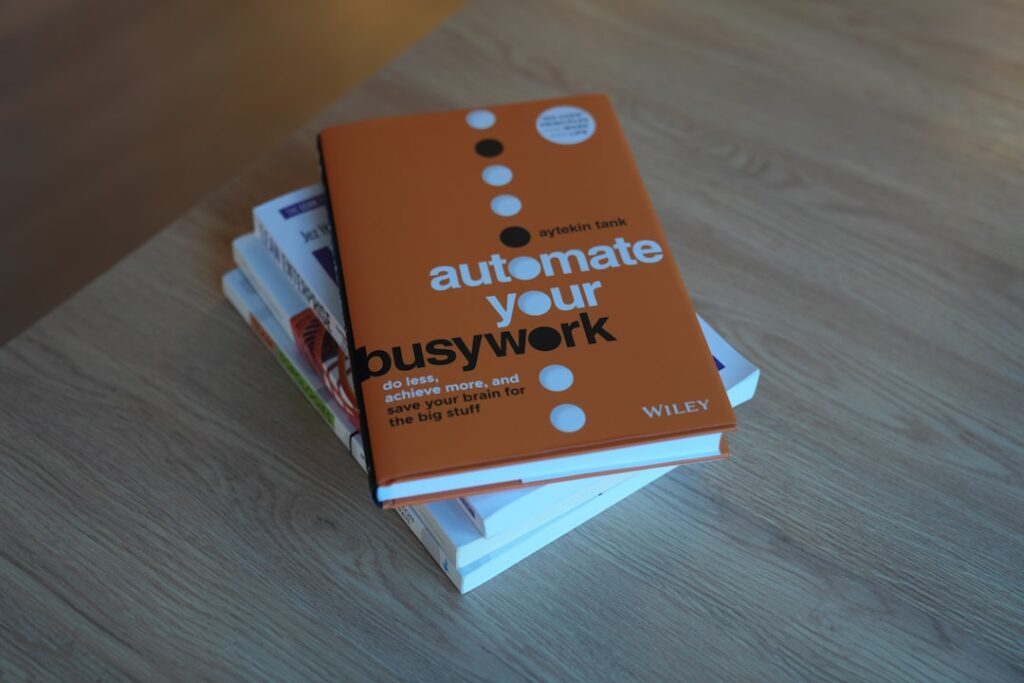
Automate Daily Tasks with AI: Transforming Productivity in the Digital Age
In today’s fast-paced world, the ability to automate daily tasks with AI can significantly enhance productivity and efficiency in both personal and professional settings. As technology continues to evolve, integrating AI into our daily routines is becoming essential for managing time effectively and streamlining operations.
Why it matters
The implementation of AI-driven automation is rapidly changing the landscape of productivity. With the rise of remote work and digital platforms, individuals and organizations must find innovative solutions to tackle time-consuming tasks. Automation not only saves time but also reduces errors, increases accuracy, and allows human resources to focus on more strategic initiatives.
Core Concepts
Understanding AI Automation
- Definition: The use of artificial intelligence to perform tasks without human intervention.
- Scope: Applies to various tasks across different sectors, including administrative work, customer service, marketing, and more.
- Technology: Common tools include machine learning, natural language processing, and robotic process automation.
Benefits of Automating Daily Tasks
- Increased Efficiency: Tasks that used to take hours can be completed in minutes.
- Cost Reduction: Less need for manual labor translates into lower operational costs.
- Scalability: Automation allows processes to be scaled up or down easily as needed.
Detailed Step-by-Step Guide
- Identify Repetitive Tasks: Examine your daily activities and identify tasks that consume a significant amount of time.
- Research Suitable AI Tools: Investigate various AI applications that cater to your specific needs.
- Implement Automation Tools: Choose a tool and integrate it into your workflow (e.g., CRM software, chatbots, email automation tools).
- Set Up Automated Workflows: Configure the chosen tools to automate notifications, data entry, reporting, etc.
- Monitor Performance: Track the effectiveness of the automation and make necessary adjustments to optimize performance.
- Seek Continuous Improvement: Regularly assess and update your automation strategy to leverage advancements in AI technology.
Common Mistakes
When automating daily tasks, be wary of common pitfalls such as:
- Over-Automation: Not all tasks benefit from automation; overdoing it can lead to complications.
- Lack of Training: Failure to adequately train staff on new tools can lead to inefficiencies.
- Ignoring Security: Automating processes can expose an organization to security risks if not managed properly.
Real-World Case Study
A successful example of automating daily tasks with AI is the company XYZ Marketing. Faced with overwhelming customer inquiries and lead management tasks, they implemented an AI chatbot that handles initial interactions and gathers data. This led to a 40% reduction in response times and allowed their human staff to focus on high-priority tasks, resulting in increased sales and customer satisfaction.
Comparison Table
| Task Type | Manual Approach | AI Automation |
|---|---|---|
| Email Management | Sorting through hundreds of emails daily | Automatic categorization and filtering of emails |
| Data Entry | Hours spent inputting data into systems | Instant data extraction and entry via AI tools |
| Customer Support | Handling basic inquiries and issues | AI chatbots providing immediate support 24/7 |
| Reporting | Time-consuming manual data analysis | Automated report generation and insights |
FAQ
What types of tasks can be automated with AI?
Many repetitive tasks in data management, customer service, scheduling, and content creation can be automated with AI.
How do I choose the right AI tool for automation?
Consider your specific needs, budget, ease of use, and the ability to integrate with existing systems when selecting an AI tool.
Is automation expensive?
While there may be initial costs, the long-term savings and efficiency gains often outweigh the investment in automation tools.
Can automation lead to job loss?
While some jobs may be displaced, automation frees employees to take on more valuable roles and responsibilities that require human judgment and creativity.
Conclusion
Integrating AI to automate daily tasks can revolutionize how we manage our time and resources. By understanding the core concepts, following a detailed implementation guide, and avoiding common mistakes, individuals and organizations can significantly enhance their productivity, allowing them to thrive in an increasingly competitive landscape.
Advanced Tips for Automating Daily Tasks with AI
Integrating AI into Your Workflow
To effectively automate daily tasks with AI, it is essential to seamlessly integrate AI tools into your existing workflow. Begin by identifying repetitive tasks that consume a significant amount of time. AI-driven tools such as project management software can be programmed to automate notifications, reminders, and even progress tracking. By streamlining these processes, employees can focus on higher-value work that requires creative and analytical thinking.
Leveraging AI for Data Analysis
AI excels at handling large datasets, making it an invaluable asset for data analysis. Utilize machine learning algorithms to automate the analysis of data trends and generate insights without manual intervention. This can save hours of data processing, allowing teams to make informed decisions quickly. For example, businesses can implement AI to predict sales trends, optimizing inventory management and improving overall operational efficiency.
Expert Opinions on AI and Productivity
Insights from Industry Leaders
Industry leaders emphasize the role of AI in revolutionizing productivity. According to recent studies, organizations that adopt AI-driven automation experience a considerable boost in efficiency and reduced operational costs. Experts argue that the right balance of human intelligence and AI can lead to unprecedented productivity levels. For instance, AI chatbots handling customer inquiries allow human agents to tackle more complex issues, enhancing customer satisfaction and loyalty.
The Future of Work with AI
As AI continues to evolve, its capacity to automate daily tasks will expand dramatically. The future of work is likely to see even more sophisticated AI solutions that not only automate routine tasks but also provide strategic insights. Forward-thinking companies are already exploring AI’s potential to enhance collaboration among remote teams, streamline project management, and facilitate seamless communication across various platforms, thereby redefining workplace productivity.
Real-World Examples of Automation Success
Case Study: E-commerce Optimization
A prominent e-commerce platform recently integrated AI to automate daily tasks such as inventory management and customer interactions. By employing intelligent algorithms, they reduced the time spent on stock updating by 70%. This allowed the team to allocate resources toward marketing strategies that resulted in a 20% increase in sales within six months.
Case Study: Financial Services Transformation
In the financial sector, a leading firm utilized AI to automate their reporting processes. By implementing machine learning models, they expedited the generation of financial statements and compliance reports. This drastically improved turnaround times, enabling them to respond to market changes with agility and ensuring compliance with regulatory standards without the burden of manual checks.