
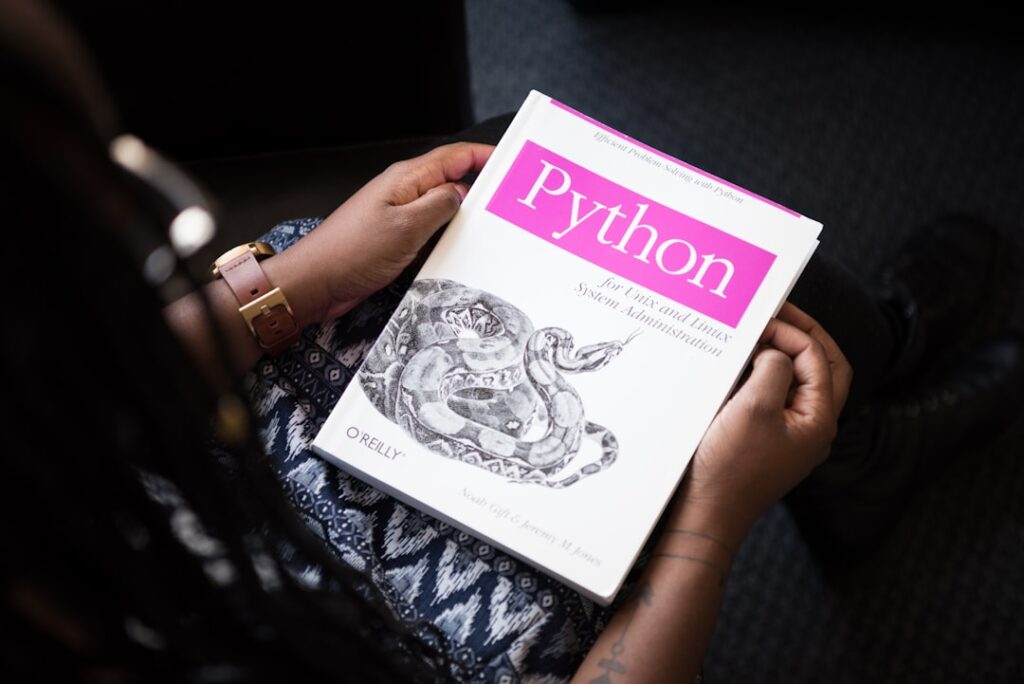
Exploring Python Automation Libraries for Enhanced AI Productivity Tools
In the rapidly evolving landscape of technology, leveraging Python automation libraries has emerged as a pivotal strategy for enhancing productivity in AI-driven projects. These libraries not only streamline workflows but also facilitate the seamless integration of different functionalities, making it easier for developers and data scientists to harness the power of AI.
Why it matters
The increasing complexity of tasks in data handling and AI application development necessitates effective solutions that can automate repetitive processes. Python automation libraries are integral in providing these solutions, ultimately influencing the efficiency and effectiveness of various business operations.
Core Concepts
Key Python Automation Libraries
- Pandas: Essential for data manipulation and analysis.
- NumPy: Great for numerical computations and handling large datasets.
- Selenium: Useful for automating web applications for testing purposes.
- Beautiful Soup: Ideal for web scraping and extracting information from HTML and XML documents.
- Requests: Simplifies HTTP requests, making API interactions more straightforward.
Detailed Step-by-Step Guide
- Identify the Task: Determine what processes you want to automate and why.
- Select the Appropriate Library: Based on your task, choose the most suitable Python automation library from the core concepts discussed.
- Install the Library: Use pip to install the library (e.g., ).
- Set Up Your Environment: Create a virtual environment to manage dependencies effectively.
- Write the Automation Script: Begin coding by leveraging functions and classes from the selected library.
- Test Your Script: Run your script to ensure it performs as expected.
- Optimize and Refine: Make adjustments to improve performance and handle edge cases.
- Document Your Code: Include comments to explain your logic and facilitate future updates.
Common Mistakes
When working with Python automation libraries, developers often fall into several common traps:
- Ignoring Library Documentation: Skipping the official documentation can lead to misunderstandings about library capabilities.
- Overcomplicating Code: Writing unnecessarily complex code can reduce readability and maintainability.
- Neglecting Error Handling: Failing to implement error handling may cause scripts to fail unexpectedly.
- Not Utilizing Virtual Environments: Directly installing libraries without a virtual environment can lead to dependency conflicts.
Real-World Case Study
Consider a marketing team that relies heavily on data scraped from competitor websites to adjust their strategies. By using Python automation libraries like Beautiful Soup and Requests, they were able to streamline their data collection process. The team automated the extraction of competitor pricing and product listings on a weekly basis. This not only saved them numerous hours of manual work but also provided them with timely insights that enabled agile decision-making. As a result, they experienced a 20% increase in campaign effectiveness within just months of implementing this automation.
Comparison Table
| Library | Primary Use | Learning Curve | Community Support |
|---|---|---|---|
| Pandas | Data analysis and manipulation | Moderate | Strong |
| NumPy | Numerical computations | Steep | Strong |
| Selenium | Web application automation | Moderate | Growing |
| Beautiful Soup | Web scraping | Easy | Strong |
| Requests | HTTP requests | Easy | Strong |
FAQ
What are Python automation libraries?
Python automation libraries are frameworks or modules in Python designed to make it easier to automate repetitive tasks, such as data manipulation, web scraping, or system tasks.
How do I choose the right Python automation library?
Choosing the right library depends on the specific task requirements. Assess what features are essential, your familiarity with the library, and community support.
Can I use multiple libraries together?
Yes, many automation tasks can benefit from combining libraries, such as using Pandas for data analysis while employing Beautiful Soup for data extraction.
What type of projects benefit the most from Python automation libraries?
Projects involving data scraping, web testing, and data analysis largely benefit from Python automation libraries.
Is it necessary to learn Python to use these libraries?
Yes, a basic understanding of Python is essential to effectively implement and utilize these libraries for automation.
Conclusion
Utilizing Python automation libraries is a game changer for enhancing productivity in AI-focused tasks. By understanding core concepts, following a structured approach, avoiding common pitfalls, and learning from real-world applications, you can maximize the efficiency of your workflows. Embracing these tools not only equips you with the means to automate mundane tasks but also empowers you to focus on strategic, high-value activities in your AI initiatives.
Advanced Tips for Using AI in Productivity
Leveraging Python Automation Libraries
Utilizing Python automation libraries can significantly enhance your productivity by automating repetitive tasks. Libraries like Selenium for web scraping and PyAutoGUI for automation of mouse and keyboard actions allow you to streamline workflows. By incorporating these tools into your routine, you can free up valuable time for more strategic work.
Integrating AI with Existing Tools
Many organizations already use robust productivity tools. Integrating AI features into these existing platforms can multiply their effectiveness. For instance, using an AI-powered chatbot with project management tools can help in scheduling meetings or assigning tasks without human intervention. This integration reduces resource strain and accelerates task completion.
Expert Opinions on AI Productivity Tools
Insights from Industry Leaders
Experts in the field of technology continuously emphasize the growing importance of AI productivity tools. They predict that AI will not only aid in operational efficiencies but also contribute to better decision-making through data analysis. The integration of Python automation libraries is crucial as it simplifies data handling, allowing employees to focus on creativity and innovation.
Case Studies of Success
Numerous businesses have successfully harnessed AI productivity tools to enhance their operations. For example, a marketing firm implemented machine learning algorithms to analyze campaign data, leading to a 30% increase in ROI. By utilizing Python automation libraries, they automated report generation processes, allowing their teams to analyze results more quickly and implement data-driven strategies effectively.
Future Trends in AI Productivity
The Rise of No-Code Solutions
No-code platforms are set to redefine how organizations approach AI and automation. These tools empower non-technical users to create workflows and automate tasks without programming knowledge. With the power of Python automation libraries often abstracted away, businesses can focus on output rather than coding.
AI-Driven Personalization
Future tools will increasingly focus on personalized user experiences, leveraging AI to tailor workflows specific to individual needs. By analyzing user behavior, AI systems can anticipate needs and suggest the most efficient paths forward, enhancing productivity via customized automation processes.