
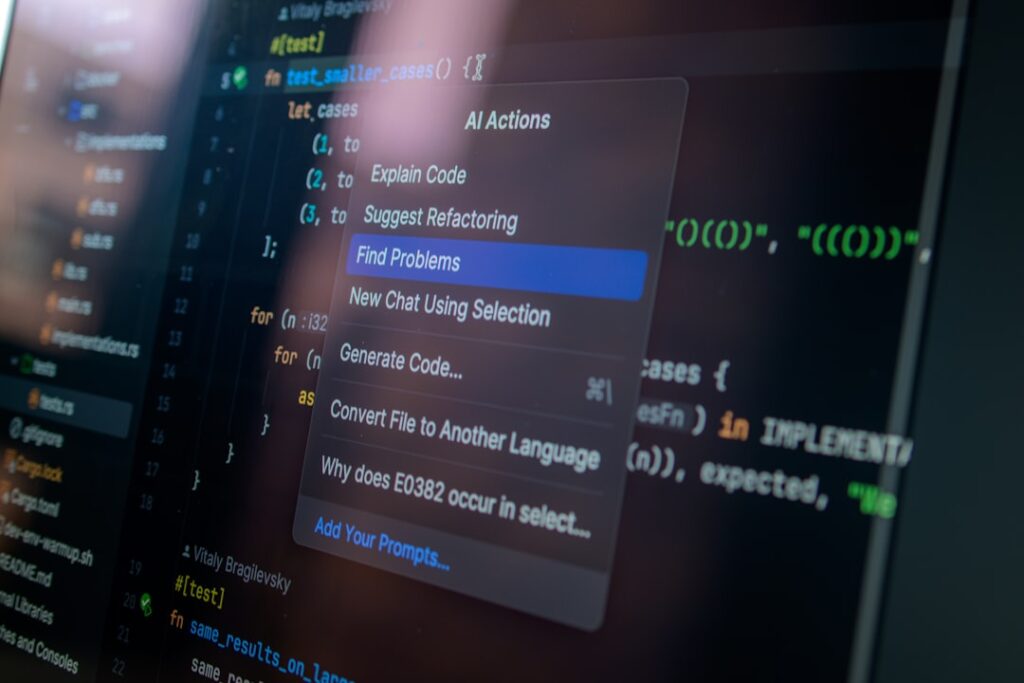
Maximizing Efficiency with AI Productivity Tools for Remote Work
In today’s rapidly evolving workplace, especially with the rise of remote work, AI productivity tools have emerged as essential assets to maintain high levels of efficiency and collaboration. These tools leverage artificial intelligence to streamline tasks, enhance communication, and boost productivity, ensuring that remote teams can operate seamlessly regardless of their physical location.
Why it matters
The necessity for AI productivity tools in remote work is paramount. As teams are increasingly dispersed, traditional methods of collaboration may fall short. AI tools help bridge these gaps by automating tedious tasks, facilitating real-time communication, and providing data-driven insights, ultimately leading to improved productivity and job satisfaction.
Core Concepts
Key Features of AI Productivity Tools
- Task Automation: AI tools can automate routine tasks such as scheduling, email sorting, and data entry.
- Real-time Collaboration: Tools like Google Workspace and Microsoft Office 365 allow team members to work simultaneously from different locations.
- Data Analytics: Many AI tools provide insights based on user behavior and project performance, helping teams optimize their workflows.
- Natural Language Processing: Some AI tools can understand and process human language, enabling better communication through chatbots and virtual assistants.
Detailed Step-by-Step Guide
- Identify your team’s specific needs: Assess which areas of your workflow could benefit from AI tools, such as project management, communication, or reporting.
- Research available tools: Look for AI productivity tools that align with your identified needs. Consider tools like Trello, Slack, or Asana.
- Test selected tools: Before fully integrating, run pilot tests to see how well the tools fit into your existing systems and workflows.
- Train your team: Ensure that all team members know how to effectively use the selected tools. This might involve training sessions or sharing useful resources.
- Measure outcomes: After implementation, track the impact of the AI tools on productivity and collaboration. This can help to refine usage and inform future decisions.
Common Mistakes
When implementing AI productivity tools, teams often encounter several pitfalls:
- Failing to assess needs: Not fully understanding what tasks require automation can lead to adopting the wrong tools.
- Neglecting team training: If team members are not well-versed in using the tools, their effectiveness diminishes.
- Ignoring feedback: Not seeking feedback from users can prevent the optimization of tool usage.
- Overlooking integration: Some tools might not seamlessly fit into existing workflows, causing disruptions.
Real-World Case Study
A marketing agency, “Creative Minds,” transitioned to remote work during the pandemic. Initially struggling with task management and communication, they implemented Trello and Slack as their primary AI productivity tools. After a month, they noticed a 30% increase in project turnaround time and improved team collaboration, as team members could easily track tasks and communicate in real time.
Comparison Table
| Tool | Key Features | Best For |
|---|---|---|
| Trello | Visual task management, automation through cards | Project management |
| Slack | Real-time messaging, integrations with apps | Team communication |
| Asana | Task assignments, project timelines, reporting | Project tracking and team collaboration |
| Zapier | Task automation between different apps | Automating workflows |
FAQ
What are AI productivity tools?
AI productivity tools use artificial intelligence to streamline and enhance tasks, improving efficiency in workflows and collaboration.
How can teams measure the effectiveness of AI tools?
Teams can track metrics such as project turnaround time, user engagement, and overall productivity improvements.
Are AI productivity tools suitable for all types of businesses?
Yes, businesses of all sizes and sectors can benefit from AI productivity tools tailored to their specific needs.
How do I choose the right AI productivity tool?
Assess your needs, research different options, and run pilot tests to determine which tools best fit your workflows.
Conclusion
AI productivity tools are revolutionizing the way remote teams work, making collaboration easier and more efficient than ever before. By understanding the importance of these tools and strategically implementing them, businesses can enhance productivity, streamline processes, and ultimately achieve their goals in a remote environment.
Advanced Tips for Leveraging AI Productivity Tools
Integrating AI Tools into Daily Workflows
To maximize the benefits of AI productivity tools, it is crucial to integrate them seamlessly into your daily workflows. Start by identifying repetitive tasks that can be automated, such as email sorting or scheduling meetings. Tools like AI-driven personal assistants can help manage calendars efficiently, while project management software can automatically update task statuses based on team input. By adopting a systematic approach to implementation, remote teams can significantly enhance their overall efficiency.
Training and Adaptation
While AI tools are designed to simplify processes, adequate training is essential for successful adoption. Organizations should consider hosting workshops or training sessions for employees to familiarize them with the new tools. Additionally, creating a resource hub with tutorials and FAQs can assist team members in overcoming initial learning curves, ensuring that they leverage the full potential of AI productivity tools.
Expert Opinions on AI Productivity Tools
Insights from Industry Leaders
Experts in remote work and technology emphasize the role of AI productivity tools in optimizing team performance. According to Dr. Jane Smith, a leading researcher in workplace efficiency, “AI tools not only enhance productivity but also foster greater collaboration among remote teams.” These insights underscore the importance of investing in reliable AI solutions that align with organizational goals.
Case Studies in Successful Implementation
Several companies have reported remarkable outcomes after implementing AI productivity tools. For instance, a digital marketing agency increased its project turnaround time by 30% after employing AI-based analytics tools to track progress and performance. Another case involves a software development firm that utilized AI-driven coding assistants, reducing error rates and improving code efficiency. These examples show the transformative impact of AI tools on various sectors.
Future Trends in AI Productivity Tools
Evolving Technologies
The landscape of AI productivity tools is continuously evolving, with advancements in machine learning and natural language processing paving the way for even smarter solutions. Future tools may offer more personalized recommendations based on team dynamics and individual work habits, further enhancing productivity in remote environments.
Adoption in Diverse Industries
As AI technology matures, we expect to see a more significant adoption across various industries. From healthcare to education, organizations will increasingly rely on AI productivity tools to streamline operations and improve outcomes. This wide-ranging impact indicates that proficiency in these tools will soon become a vital skill across multiple sectors.