
Maximizing Efficiency with No-Code Automation Tools: A Comprehensive Guide to AI Productivity
In today’s fast-paced business environment, the demand for efficiency and productivity has never been higher. No-Code Automation Tools are transforming the landscape of task management and workflow optimization, allowing businesses to streamline processes without the need for extensive programming knowledge. This article delves deep into AI productivity by exploring how these tools can empower teams, enhance workflows, and ultimately drive success.
Why it Matters
No-Code Automation Tools are crucial for businesses aiming to boost productivity. They democratize access to advanced technology, enabling teams across various departments—marketing, sales, and operations—to automate repetitive tasks, thus saving time and reducing errors. By investing in these tools, organizations can speed up processes and reallocate resources to more strategic initiatives, enhancing overall performance.
Core Concepts
1. What are No-Code Automation Tools?
No-Code Automation Tools are platforms that allow users to create automated workflows through visual interfaces, without writing any code. This empowers non-technical users to implement automation solutions themselves.
2. Key Features:
- User-friendly Drag-and-Drop Interface
- Integration with Popular Apps and Services
- Pre-built Templates for Common Workflows
- Customizable Triggers and Actions
Detailed Step-by-Step Guide
- Identify Repetitive Tasks: Start by cataloging daily tasks that consume significant time and resources.
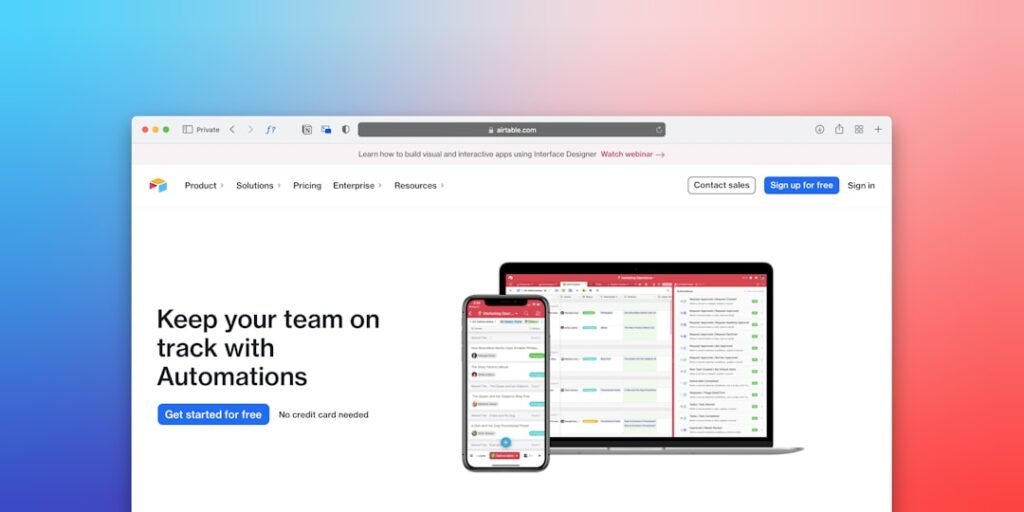
- Select a No-Code Platform: Choose a platform that best fits your business needs, such as Zapier, Integromat, or Airtable.
- Define Workflow Objectives: Clearly outline what you aim to achieve with automation (e.g., reduce processing time).
- Create Workflows: Use the platform’s interface to set up workflows, dragging and dropping elements to automate the process.
- Test and Refine: Conduct thorough testing of your automated workflows to ensure they function as intended.
- Train Your Team: Provide training sessions for your team to help them understand how to use the tools effectively.
- Monitor and Optimize: Regularly review automated processes and make adjustments based on performance metrics.
Common Mistakes
When implementing No-Code Automation Tools, organizations often encounter several pitfalls:
- Neglecting to analyze current workflows before automation.
- Overcomplicating workflows with unnecessary steps.
- Failing to provide adequate training for team members.
- Ignoring feedback and suggestions from users for continued improvement.
Real-World Case Study
Consider a mid-sized marketing agency that struggled with managing client campaigns. The team spent countless hours on manual processes such as reporting and email follow-ups. By adopting No-Code Automation Tools like Zapier and Airtable, they were able to automate email notifications, client updates, and reporting tasks. As a result, they reduced their operational overhead by 30%, allowing them to focus on creative strategy instead of administrative work. This switch not only improved productivity but also enhanced client satisfaction through timely communication and services.
Comparison Table
| Tool | Features | Best For | Pricing |
|---|---|---|---|
| Zapier | Wide app integration, user-friendly UI | Small to medium businesses | Starting at $19.99/month |
| Integromat | Advanced routing capabilities | Pro users requiring complex automation | Starting at $9/month |
| Airtable | Database functionalities, collaboration tools | Teams needing project management | Starting at $10/month |
FAQ
What are No-Code Automation Tools?
No-Code Automation Tools are platforms that enable users to automate tasks through a visual interface without needing to write code.
Who can benefit from using No-Code Automation Tools?
Businesses and teams from various sectors, including marketing, sales, and operations can greatly benefit by improving efficiency and reducing manual effort.
Can No-Code Tools handle complex workflows?
While many No-Code Tools are designed for simpler tasks, some platforms offer advanced functionalities for handling more complex workflows.
Are No-Code Automation Tools secure?
Most reputable No-Code platforms have robust security measures in place, but it’s important to evaluate their compliance with industry standards and regulations.
How do I choose the right No-Code Tool for my business?
Consider factors such as the specific tasks you wish to automate, your team’s technical comfort, and the level of integrations you require.
Conclusion
No-Code Automation Tools are revolutionizing the way businesses operate by enhancing productivity and streamlining processes. By understanding their core features, avoiding common mistakes, and learning from real-world case studies, organizations can effectively leverage these tools for maximum impact. Embracing No-Code Automation not only fosters innovation but ultimately leads to improved efficiency and growth in today’s competitive marketplace.
Advanced Tips for Implementing No-Code Automation Tools
Identifying Repetitive Tasks
One of the first steps in leveraging no-code automation tools is identifying repetitive tasks within your business operations. Conduct a thorough analysis of your daily workflows to pinpoint areas where automation can save time and resources. For instance, tasks like data entry, email responses, and report generation are often great candidates for automation. Streamlining these processes allows your team to focus on higher-value activities.
Selecting the Right No-Code Platform
Not all no-code automation tools are created equal. Criteria such as user interface, integrations with existing tools, and scalability should influence your choice. Take the time to trial different platforms to ascertain which best fits your unique business needs. A platform that seamlessly integrates with your current software stack enhances productivity and user adoption, ensuring a smoother transition to automated workflows.
Expert Opinions on No-Code Automation
Insights from Industry Leaders
Industry experts emphasize the transformative potential of no-code automation tools in enhancing organizational efficiency. According to a survey conducted by Gartner, companies that adopt no-code platforms report a significant reduction in time spent on manual tasks, leading to increased innovation and strategic focus. Engaging with thought leaders in this space can provide valuable insights into best practices and emerging trends.
Case Studies Demonstrating Success
Real-world examples of businesses that have successfully implemented no-code automation tools reinforce their effectiveness. For instance, a mid-sized marketing agency managed to reduce campaign setup time by 50% using a popular no-code platform to automate their client onboarding process. These success stories highlight the capabilities of no-code solutions in not only improving efficiency but also enhancing customer satisfaction.
Future Trends in No-Code Automation Tools
Integration of AI in No-Code Platforms
As artificial intelligence continues to evolve, its integration into no-code automation tools is poised to revolutionize how tasks are automated. Features such as predictive analytics and natural language processing will enhance user experience, making it easier for non-technical users to deploy complex workflows. Watching these advancements will be crucial for businesses looking to stay competitive.
Increased Customization Options
The future of no-code automation will likely see enhanced customization capabilities. Users will have more control over their workflows, allowing them to tailor automation to meet specific business requirements. This trend signifies a shift towards personalization, where no-code platforms will become more adaptive to unique user demands, ultimately leading to improved employee productivity.