
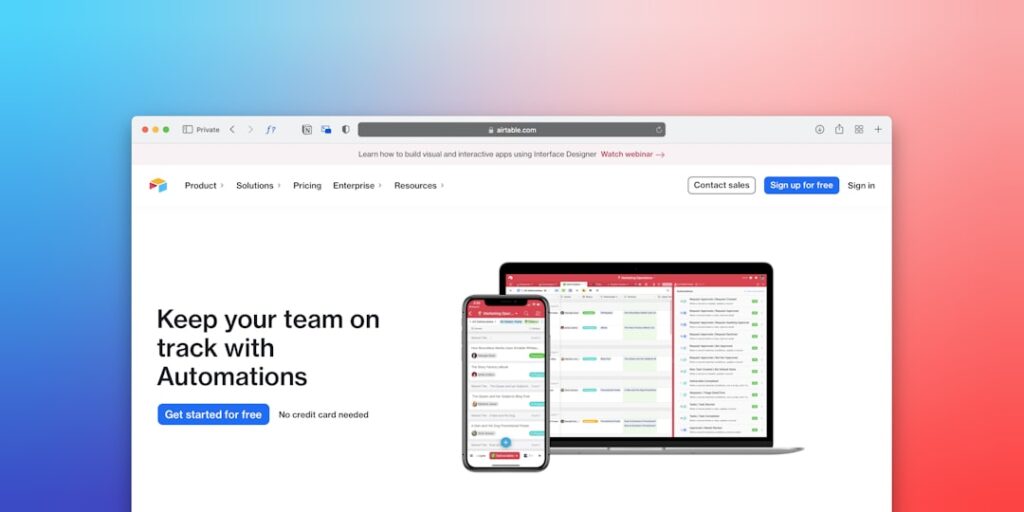
AI Tools for Productivity: Leveraging No-Code Automation Platforms
In today’s fast-paced digital landscape, organizations strive to enhance efficiency and productivity through the adoption of No-Code Automation Platforms. These tools enable users to automate workflows and streamline processes without the need for extensive coding knowledge, thus accelerating business operations and fostering innovation.
Why it Matters
The integration of AI tools for productivity is no longer a luxury but a necessity for businesses aiming to stay competitive. No-Code Automation Platforms empower teams by allowing them to implement automation solutions quickly, thereby saving time and reducing human error. By leveraging these platforms, organizations can allocate resources more effectively, focus on strategic initiatives, and significantly enhance productivity levels.
Core Concepts
Defining No-Code Automation Platforms
No-Code Automation Platforms are software tools that allow users to create applications, automate workflows, and manage data without writing code. These platforms typically provide visual interfaces that simplify the development process through drag-and-drop functionalities.
Main Features of No-Code Platforms
- User-friendly interfaces for easy navigation
- Pre-built templates for rapid deployment
- Integration capabilities with various applications
- Customizable workflows to fit specific business needs
- Real-time data analytics and reporting
Benefits of Using No-Code Automation
- Faster implementation and deployment of solutions
- Reduced dependency on IT teams
- Lower operational costs
- Empowerment of non-technical staff to innovate
- Scalability of processes with minimal coding
Detailed Step-by-Step Guide
To effectively leverage No-Code Automation Platforms, follow this detailed step-by-step guide:
- Identify Processes for Automation: Analyze your team’s workflows to pinpoint repetitive tasks that could benefit from automation.
- Choose the Right No-Code Platform: Research various platforms and select one that aligns with your specific needs and integrates well with existing tools.
- Explore Pre-Built Templates: Utilize the existing templates offered by the platform to assist in designing your automated workflows.
- Customize Workflows: Use the drag-and-drop interface to tailor the automation process to fit your team’s workflow seamlessly.
- Integrate with Other Tools: Connect the no-code automation platform with other applications your team uses to create a cohesive system.
- Test Your Automation: Run tests to ensure the automation performs as expected, troubleshooting any issues that arise.
- Launch and Monitor: Deploy the automation platform and track its performance, making adjustments as necessary to improve efficiency.
Common Mistakes
When implementing No-Code Automation Platforms, it’s easy to encounter pitfalls. Here are some common mistakes to avoid:
- Neglecting User Training: Failing to train team members on how to use the platform can lead to underutilization.
- Over-Automating: Automating every task without considering the implications can lead to loss of personal touch and decreased engagement.
- Ignoring Integration Issues: Not accounting for how the platform integrates with other software can cause workflow disruptions.
- Skipping the Testing Phase: Rushing to deploy without adequate testing can result in automation failures.
Real-World Case Study
Consider the scenario of a mid-sized marketing agency that relied extensively on manual reporting and client communication. By adopting a No-Code Automation Platform, they automated their reporting process, which previously took hours each week. The agency integrated their project management tool with the no-code platform, allowing for seamless updates and communication with clients. As a result, they reduced report generation time by 75% and improved client satisfaction due to timely updates.
Comparison Table
| Feature | Platform A | Platform B | Platform C |
|---|---|---|---|
| User-Friendly Interface | Yes | Yes | No |
| Integration Capabilities | Multiple Integrations | Limited Integrations | Extensive Integrations |
| Pre-built Templates | 300+ | 150+ | 500+ |
| Custom Workflow Options | Yes | Yes | No |
| Pricing | $15/month | $20/month | $10/month |
FAQ
What are No-Code Automation Platforms?
No-Code Automation Platforms allow users to automate workflows and create applications without the need for programming skills.
How do I choose the right No-Code platform?
Identify your business needs, evaluate ease of use, integration capabilities, and pricing before making a choice.
Are No-Code platforms suitable for large enterprises?
Yes, many No-Code platforms are scalable and can meet the needs of large enterprises.
What are the limitations of No-Code Automation?
While No-Code platforms are powerful, they might lack the advanced customizations available in traditional coding solutions.
Can No-Code platforms be used for complex workflows?
Yes, depending on the platform, many support the automation of complex workflows through their advanced features.
Conclusion
Incorporating AI Tools for Productivity via No-Code Automation Platforms can revolutionize the way organizations operate. These platforms not only enhance efficiency but also empower employees to innovate without the barriers of traditional coding. As businesses evolve, embracing the capabilities of No-Code solutions will be essential for sustained growth and productivity.
Advanced Tips for Leveraging AI Tools
Integrating AI in Daily Workflows
To maximize productivity with AI tools, start by identifying repetitive tasks in your workflow that can be streamlined. For instance, leveraging no-code automation platforms allows teams to create workflows without extensive programming knowledge. This can facilitate the automation of data entry, report generation, or customer follow-ups, freeing valuable time for more strategic activities.
Customizing AI Tools for Your Needs
Many AI tools offer customizable features that can be tailored to specific project requirements. By utilizing no-code automation platforms, users can build unique workflows that align with their organizational goals. Experimentation with different configurations can lead to innovative solutions that enhance productivity and team collaboration.
Expert Opinions on AI Tools for Productivity
Insights from Industry Leaders
Industry experts emphasize the importance of integrating AI tools into everyday tasks. According to leading productivity consultants, the adoption of no-code automation platforms enables teams to efficiently delegate routine processes, which leads to higher overall productivity and better resource management. Their insight suggests that organizations embracing these tools often see a significant return on investment.
Future Trends in AI Productivity Tools
Emerging Innovations to Watch
The landscape of AI productivity tools is rapidly evolving. Future innovations may include more sophisticated no-code automation platforms that leverage machine learning for predictive analytics and decision support. Watching these trends will be crucial for businesses looking to stay ahead and continuously improve their operational efficiencies.
The Rise of Collaborative AI
As AI technology advances, collaborative AI tools will become more prevalent, enabling real-time assistance and integration with human workflows. This evolution will significantly impact productivity, as teams will be able to utilize no-code automation platforms for enhanced brainstorming, creativity, and execution of complex projects.