
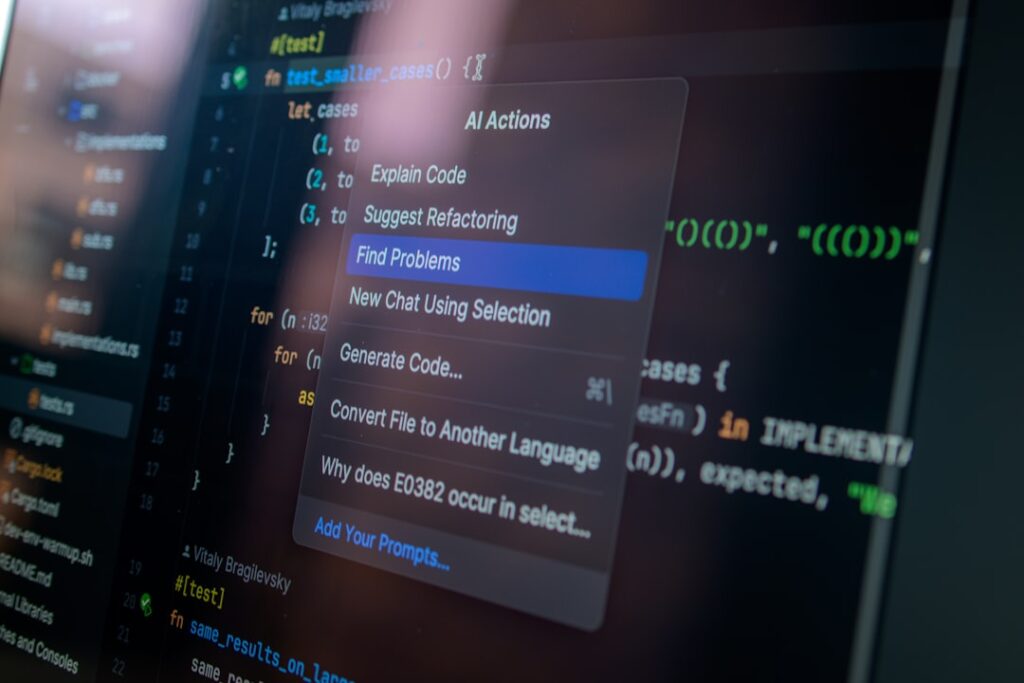
Maximizing Efficiency: The Importance of AI Automation Tools in Today’s Workplace
In the rapidly evolving world of business, AI Automation Tools have emerged as indispensable assets for enhancing productivity and efficiency. As organizations strive to streamline their operations and reduce overhead costs, these innovative tools play a pivotal role in transforming workflows, optimizing processes, and ultimately driving growth.
Why it matters
The integration of AI automation in businesses is no longer a luxury but a necessity. In an environment where competition is fierce, leveraging AI tools can lead to significant advantages, including improved accuracy, increased speed of execution, and enhanced decision-making capabilities. These factors are crucial for staying ahead of the curve in any industry.
Core Concepts
Understanding AI Automation Tools
- Definition: AI automation tools are software solutions that utilize artificial intelligence to automate repetitive tasks, analyze data, and improve workflows.
- Types of AI Automation Tools: These range from chatbots and virtual assistants to more complex systems that manage entire processes.
- Benefits: Enhanced productivity, reduced human error, improved customer satisfaction, and cost savings.
Detailed Step-by-Step Guide
- Identify repetitive tasks: Begin by analyzing daily operations to pinpoint tasks that can be automated.
- Research available tools: Investigate different AI automation tools suitable for your industry and specific needs.
- Assess integration capabilities: Ensure the tools you consider can seamlessly integrate with your existing systems.
- Implement a pilot program: Start small with a pilot program to test the efficacy of the selected AI automation tools.
- Train your team: Provide training for staff to ensure they are well-versed in using the new tools.
- Monitor performance: Regularly assess the performance of the automation tools to ensure they meet your expectations.
- Scale up: Once proven successful, expand the use of AI automation tools across your business.
Common Mistakes
Organizations often make several common mistakes when implementing AI automation tools:
- Lack of clear goals: Not defining measurable objectives can hinder success.
- Underestimating training needs: Failing to adequately prepare staff can lead to underutilization of the tools.
- Ignoring data privacy: Overlooking compliance with data protection regulations can lead to legal issues.
- Choosing the wrong tools: Selecting tools that do not align with business processes can result in wasted resources.
Real-World Case Study
Consider the example of a mid-sized marketing firm that struggled with managing client communication efficiently. By implementing an AI-powered chatbot, the firm was able to automate responses to frequently asked questions, freeing up valuable time for their human agents to focus on more complex queries. As a result, client satisfaction scores improved by 30%, and the firm’s agents reported a 25% reduction in workload, allowing them to take on additional clients without compromising service quality.
Comparison Table
| Feature | AI Automation Tool A | AI Automation Tool B | AI Automation Tool C |
|---|---|---|---|
| Pricing | $49/month | $99/month | $79/month |
| User-Friendly Interface | Yes | Yes | No |
| Integration Options | High | Medium | Low |
| Customer Support | 24/7 | Business hours | Limited |
| Customizability | Yes | Limited | Yes |
FAQ
What are AI automation tools?
AI automation tools are specialized software that uses artificial intelligence to automate tasks, improve business processes, and support decision-making.
How can I choose the right AI automation tool for my business?
Begin by assessing your specific needs, evaluating different tools, and considering factors such as ease of use, cost, and integration options.
Are AI automation tools expensive?
The costs can vary widely based on features and capabilities; however, many tools offer scalable pricing models that can accommodate various budgets.
Can AI automation tools really improve productivity?
Yes, by automating repetitive tasks, AI tools allow employees to focus on higher-value work, leading to greater overall productivity.
Are there risks involved with using AI automation tools?
Potential risks include data privacy concerns, reliance on technology, and the need for adequate training for staff.
Conclusion
Incorporating AI Automation Tools into your business strategy is a powerful way to maximize efficiency and enhance productivity. By understanding their implications, evaluating your needs, and carefully selecting the right tools, organizations can reap substantial benefits and maintain competitiveness in an ever-changing market landscape.
Advanced Tips for Leveraging AI Automation Tools
Integrate with Existing Systems
To maximize the benefits of AI automation tools, it’s crucial to integrate them with your current systems. This seamless integration allows data to flow freely between different applications, enhancing workflow efficiency. Utilize APIs and connectors to ensure that all tools work harmoniously, reducing the risk of data silos.
Customize Workflow Automation
Every business operates differently; hence, customizing AI automation tools to match your unique processes is essential. Take the time to understand what specific tasks can be automated within your organization and adjust settings to cater to these needs. This tailored approach will enhance efficiency and user adoption rates.
Expert Opinions on AI Automation Tools
Insights from Industry Leaders
Industry leaders assert that AI automation tools are transforming the way businesses operate. According to a recent survey, 75% of executives believe that implementing AI-driven solutions can boost productivity significantly. They emphasize the importance of choosing the right tools and training teams on best practices to optimize outcomes.
Case Studies
Several companies have successfully integrated AI automation tools into their operations, showcasing increased productivity and reduced operational costs. For instance, a global retail brand utilized AI tools for inventory management, resulting in a 30% decrease in inventory holding costs. These real-world applications illustrate the tangible benefits of adopting these advanced technologies.
Future Trends in AI Automation Tools
Increased Personalization
The future of AI automation tools lies in greater personalization capabilities. As AI systems evolve, they will be able to analyze user behavior more effectively and tailor automation processes to individual preferences. This shift will enhance the user experience and drive higher engagement levels.
AI and Machine Learning Integration
Expect to see deeper integration between AI automation tools and machine learning algorithms. This synergy will allow for smarter decision-making and predictive analytics, empowering businesses to stay ahead of market trends and customer demands.