
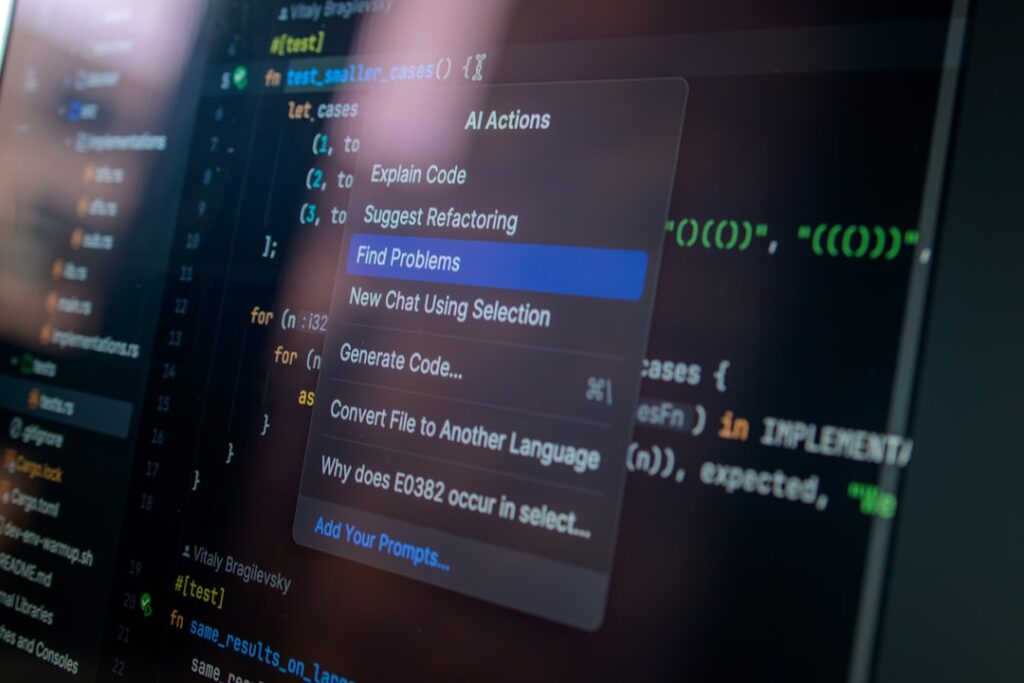
Maximizing Efficiency with AI Productivity Tools: A Comprehensive Guide to Time Management
In today’s fast-paced world, efficient time management is critical, and AI productivity tools can be game-changers for enhancing our productivity. This article explores various AI tools designed specifically for time management, providing you with the insights you need to boost your efficiency.
Why it matters
Time is one of our most valuable resources, and managing it effectively can lead to improved productivity, reduced stress, and an overall better work-life balance. By leveraging AI productivity tools, individuals and organizations can streamline their workflows, automate mundane tasks, and focus on what truly matters.
Core Concepts
Understanding AI Productivity Tools
- Definition of AI productivity tools
- How AI integrates with traditional time management practices
- Benefits of using AI for time management
Types of AI Productivity Tools
- Task management apps (e.g., Todoist)
- Scheduling assistants (e.g., x.ai)
- Time tracking software (e.g., Toggl)
- Virtual personal assistants (e.g., Siri, Google Assistant)
Detailed Step-by-Step Guide
- Identify your time management needs: Assess the areas where you struggle most.
- Research AI productivity tools that align with your needs.
- Test out different tools: Many offer free trials.
- Integrate the chosen tools into your daily routine.
- Set specific goals to maximize effectiveness.
- Regularly evaluate tool performance and adjust accordingly.
Common Mistakes
Even with AI productivity tools, individuals often fall into traps that hinder their time management. Common mistakes include:
- Inadequate integration of tools into existing workflows.
- Failure to customize tools for personal or team preferences.
- Ignoring collaboration features that enhance teamwork.
- Over-complicating the tool selection process.
Real-World Case Study
Consider the case of a mid-sized software company that struggled with project management and deadlines. By implementing AI productivity tools like Asana and Clockify, they initially faced resistance from team members. However, after a month of training and integration, the team reported a 30% increase in efficiency and a significant reduction in project completion times.
Comparison Table
| Tool | Features | Pros | Cons |
|---|---|---|---|
| Todoist | Task management, due dates, priorities | User-friendly, cross-platform | Can become overwhelming with large projects |
| x.ai | Scheduling meetings, calendar management | Saves time on scheduling | Limited customization |
| Toggl | Time tracking, reporting | Easy to use, great reporting features | Subscription model can be pricey |
| Google Assistant | Voice commands, reminders | Integration with Google services | Limited functionality compared to dedicated tools |
FAQ
What are AI productivity tools?
AI productivity tools are applications that use artificial intelligence to help users manage their time and tasks more efficiently.
How can AI tools improve time management?
They automate repetitive tasks, suggest optimal scheduling, and provide analytics on time usage.
Are there free AI productivity tools available?
Yes, many tools offer free versions with basic features, such as Todoist and Toggl.
Can AI tools be used for collaborative projects?
Absolutely! Many AI productivity tools have features that enhance collaboration, such as shared tasks and team calendars.
How do I choose the right AI productivity tool for me?
Consider your specific needs, test out several tools, and look for user-friendly options that fit your workflow.
Conclusion
AI productivity tools have revolutionized time management, providing innovative solutions to common productivity challenges. By choosing the right tools and integrating them effectively into your routine, you can significantly enhance your efficiency and ability to manage your time. Embrace the future of productivity and take control of your time today!
Advanced Tips for Leveraging AI Productivity Tools
Integrating AI Tools into Daily Routines
To maximize the benefit of AI productivity tools, it’s crucial to thoughtfully integrate them into your daily routines. Start by identifying repetitive tasks that consume your time. Tools that offer automation features, such as scheduling meetings or sorting emails, can free up significant chunks of your day. Set aside time each week to review your most time-consuming tasks and consider how AI tools might efficiently handle these, ensuring that you can focus on higher-level responsibilities.
Customizing AI Tools to Fit Your Needs
Each professional has unique time management challenges. Many AI productivity tools offer customizable features that allow you to tailor algorithms to better fit your work style. For example, using a project management tool, you can create specific tags or categories that are relevant to your projects, enhancing the AI’s ability to assist you effectively. Take the time to explore these options to ensure that the AI tools genuinely align with your needs and workflow, thereby improving overall efficiency.
Expert Opinions on the Future of AI in Time Management
Insights from Industry Leaders
Industry experts believe that AI productivity tools are not just a trend but are essential for evolving business practices. Leading figures argue that as AI technology continues to advance, we will see even more sophisticated functionalities, such as predictive analytics that can anticipate workload spikes and regulation compliance needs. These insights underscore the importance of remaining adaptable and balancing human creativity with AI efficiency to enhance productivity continually.
Potential Challenges and Ethical Considerations
While AI productivity tools are beneficial, experts caution about their challenges. Issues such as data privacy, over-reliance on technology, and potential job displacement need to be addressed. It’s critical for organizations to approach the implementation of AI responsibly, ensuring that they maintain ethical standards and utilize AI not just as a tool for efficiency but also as a means to empower employees. The successful integration of AI tools should focus on enhancing human roles rather than replacing them.
Future Trends in AI Productivity Tools
AI-Driven Personal Assistants
The future of time management will increasingly feature AI-driven personal assistants designed to revolutionize productivity. These tools aspire to not just manage tasks but also to proactively help users make time-efficient decisions by analyzing work habits and suggesting optimal task schedules or break times. This level of personalization represents a significant evolution from current capabilities and could vastly improve both productivity and work-life balance.
Collaborative AI Tools for Team Efficiency
Collaboration is set to take a front seat, with AI productivity tools evolving to promote team efficiency. Future tools are anticipated to integrate seamlessly with various applications, allowing real-time collaboration while also providing insights based on team performance data. By analyzing how teams interact and progress on projects, these AI solutions will be able to suggest adjustments to improve workflows, thereby fostering a more productive environment.